
Looking for studio classes, workshops, or events? You’ll now find them over on Vahni (formerly the Shala Yoga Centre)
The Shala School of Yoga
Begin Your Yoga Training journey
200-hour & 300-hour yoga teacher training

Yoga Philosophy Club

Somatic Yoga | Intuitive You Teacher Training | IN STUDIO
Yin Yoga Teacher Training
Pregnancy Yoga Teacher Training

Creative Yoga Sequencing Teacher Training

OUR OFFERINGS
find the right course
200 hour teacher training
Our 200 hour yoga teacher training course is ideal if you want to deepen your practice.
Learn more →
300 hour teacher training
Our 300 hour advanced training allows you to take your teaching skills to the next level.
Learn more →
CPDs & Modules
Short courses designed for teachers and dedicated students looking to specialize.
Browse CPDs →
Retreats
Immerse yourself in yoga practice and philosophy in stunning locations worldwide.
View Retreats →

WHY TRAIN WITH US
Why train with The Shala School of Yoga
- A lineage spanning three decades - from one of London's pioneering yoga centres to a thriving school of yoga
- Exceptional senior teachers with decades of expertise in their specialised fields
- Intimate learning spaces (20-24 students) where your unique potential is truly seen, supported, and challenged to evolve
- Yoga Alliance-accredited programmes (200-RYS and 300-RYS) with flexible, modular learning paths and bursaries to support accessibility
- Comprehensive training at the crossroads of traditional and contemporary practice - honouring ancient wisdom while speaking to modern life
- A collaborative learning community where transformation happens in the authentic human connection - through vulnerability, co-regulation, laughter, tears, and everything in between
OUR PHILOSOPHY
why we train teachers
The profound ripple effect of yoga travels far beyond our training centre. A yoga teacher can shape individual lives, communities, and the way yoga itself continues into the future. Yoga has the potential to reach people of all ages and walks of life, in many different settings – often meeting them at vulnerable or pivotal moments.
We feel a deep responsibility to pass our knowledge forward to the next generation of teachers. Yes, our mission is to nurture teachers who are skilled, confident, and rooted in lived practice. But equally important is our commitment to cultivating thoughtful, grounded, emotionally intelligent human beings – people who can truly hold space, ask meaningful questions, and meet others with sensitivity, compassion, and understanding.
By teaching teachers, we are tending to the long future of yoga – helping to ensure it remains a discipline of depth, transformation, and real human encounter in an increasingly disconnected world.
TRAINING COURSES
Yoga teacher trainings & CPDs
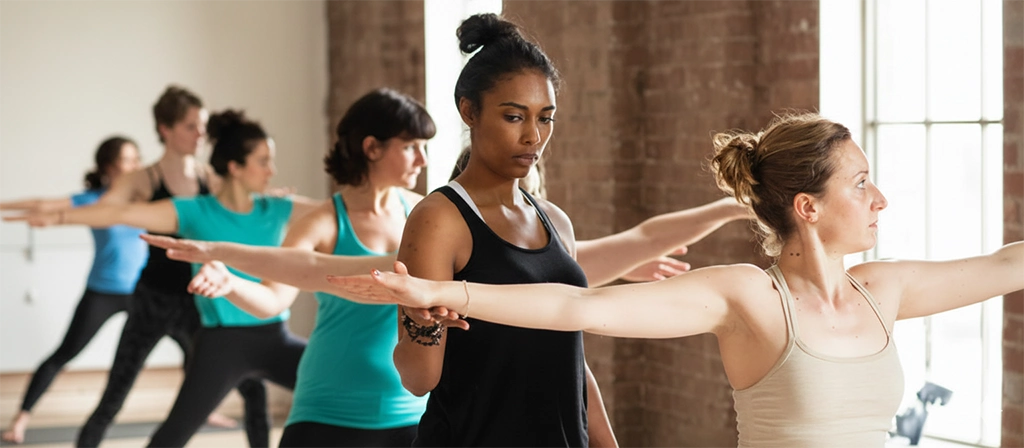
The Shala School of Yoga’s 200-hour teacher training programme has been described by past graduates as “transformational”, “life-changing” and “mind-blowing”. We have recently restructured this training programme to make studying with us even more accessible and flexible for students with varying needs and goals. Our carefully curated programme and experienced and dedicated teaching faculty will take practitioners deeper into their yoga practice, instilling teaching skills and knowledge and nurturing a new generation of teachers.
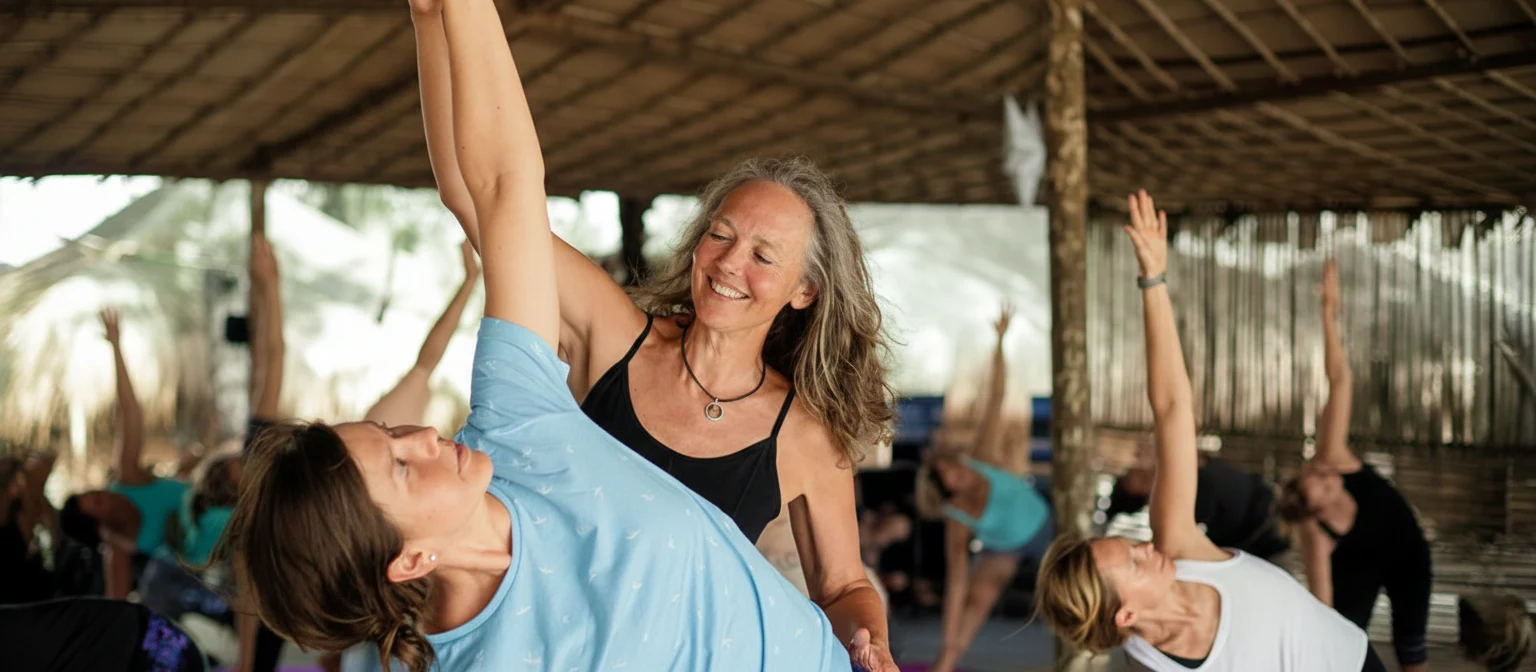
This experiential module is for anyone who wishes to deepen their exploration and understanding of yoga for their own personal development, as well as for those who are beginning their teacher training journey with us. It is a rich, rewarding and life affirming course run by exceptionally experienced lead teachers Gingi Lee & Kath Roberts or Melanie Cooper.

This free 60 minute webinar on the Business of Yoga hosted by digital marketing expert Lynda Phoenix is for yoga teachers who wish to expand their audience and their reach.
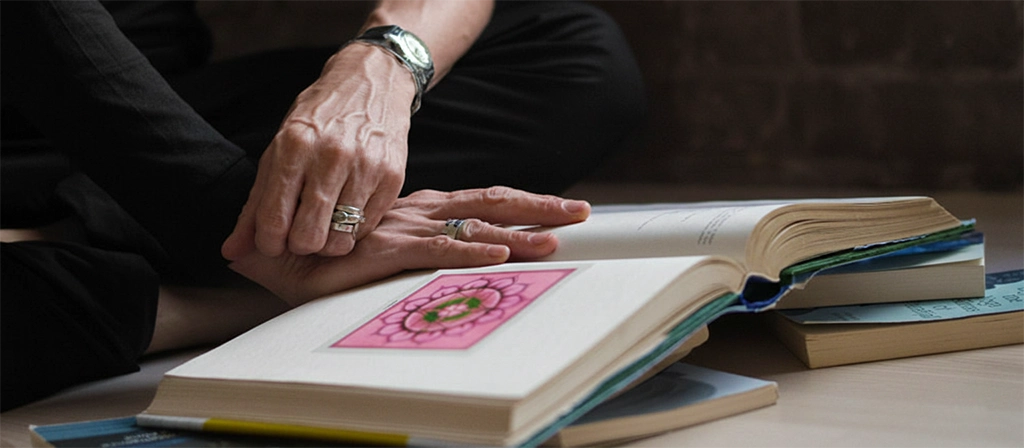
Delve into a fresh perspective on the evolution of yoga, explore what connects its different practices over the centuries, and see how we can integrate yoga philosophy into our own lives and teachings on a day-to-day basis. An accessible blended (on demand and livestream) guide to yoga history and philosophy with Daniel Simpson that is suitable for yoga teachers and practitioners.

In this 5 day immersive training, Adelene Cheong will be exploring the art and science of restorative yoga and deep complete relaxation. The course is ideal for trainee yoga teachers, qualified yoga teachers and those looking to deepen their experience of Restorative yoga for personal development.

Yoga is a unique vocational path which looks different for every teacher, but one commonality amongst teachers is that honest and constructive feedback is hard to come by. This programme has been designed with that in mind, offering in person coaching and mentoring by experienced yoga teachers, as well as an opportunity to learn from your peers. This course will help you to gain confidence in teaching, hone your teaching skills and find your individual voice.
UPCOMING RETREATS
Upcoming retreats
Join us 14–20 May 2027 in Ulpotha, Sri Lanka. With Gingi Lee for yoga, rest, nature, swims, and massages. Off grid eco village.

Student Voices
Testimonials
JOURNAL
Featured Shala blogs

After this year of isolation and solo yoga practices, Here are 10 Reasons to come back to the studio:
 Dedicated yoga space – get away from the 4 walls of our homes
 Social – Tea and chats in the lounge area
 Physical Contact – Hands on teacher assists and adjustments
 Positive Vibes – Energetics of a group practice
 Calm – Peace and quiet of the Shala studio
 Community – Seeing and interacting with people in 3 dimension
 Switching off – Detoxing from technology
 No distractions – escaping the business of daily domestic life
 Connection – Seeing your teachers and fellow yogis
 Motivation – Being Inspired by others around you
There’s nothing quite like getting out of the house and being part of your yoga community again.

Not thinking. Not feeling. Not making us feel happy or sad, In fact it’s not any of the jobs you may associate with the brain.
The brain’s most important job is running a budget for your body.
Every thought we have, every action we take, every move we make is ultimately done in the service of regulating our body. The brain uses 20% of its oxygen at rest, and two thirds of that are used for sending signals up and down the neural pathways. The brain responds to two kinds of signals; those from the outside world (proprioceptive) and those from the body itself (interoceptive).
The brain uses incoming sensory data to estimate the body’s state and anticipate what will happen next. Upon predicting a demanding situation the brain will respond by signalling to the body’s resources to make changes – changing blood pressure, secreting hormones and metabolising glucose – in order to meet those needs.
A PREDICTION MACHINE
The brain functions as a prediction machine, anticipating the needs of your body and meeting those needs before they arrive. A bit like looking out the
window in the morning, anticipating rain and picking up an umbrella, the brain assesses the needs of the body. Although unlike selecting the correct clothes for the forecasted weather, your brain is budgeting resources like glucose, oxygen, salt and all the other nutrients it needs.
The technical term for this is allostasis. However, because humans have limited resources, every movement we take and every new thing we learn, draws upon these resources and the brain has to ask itself – is this a good investment?
Just like any company, the brain keeps track of the accounts within the body to ensure the overall budget is balanced. To maintain long-term good health, a brain must make additional investments in glucose and other resources such as sleep, exercise and activities that improve allostasis.
SO WHAT HAPPENS WHEN THE BUDGET RUNS INTO A DEFICIT? HOW DOES THIS RELATE TO LONG COVID??
Sometimes your body might go into the red as a result of an unexpected expenditure, such as, exposure to serious infection (hello Covid!), staying out all night, or experiencing a traumatic event. In some cases these expenditures might compound over time as is seen in Adverse Childhood Events, racism, domestic abuse and bullying.
When your body budget is overdrawn for too long your immune system pays the price – a chronic overdraft in your body budget sets the scene for chronic illness.
WHAT HAPPENS WHEN THE BRAIN IS IN DEBT?
inancial deficits create biological deficits. Unlike a shopaholic who doesn’t know when to stop, when the brain is in debt it just stops spending!
The two most expensive things to the brain are learning (working, reading emails, scrolling social media) and moving the body, so if you continue to try and spend BIG, using an already overdrawn body budget, this can lead to fatigue, post-exertional malaise and cognitive impairment such as that feeling of brain fog.
SO WHAT CAN WE DO TO KEEP OUR BODY BUDGET IN BALANCE?
Focus on simple activities that keep your body budget in credit. Adequate sleep, nutrition, movement (yoga and mindful movement is great!), getting out in nature, soothing activities and practices, such as learning to breathe optimally, all increase our brain’s ability to run our body budget smoothly and efficiently.
IT’S NOT REALLY BRAIN SCIENCE…IS IT?
This post is inspired by Neuroscientist Lisa Feldman-Barrett’s amazing book: Seven and a Half Lessons about the Brain.

Yoga as a practise is on the rise – there is no doubt about that. In 2016 a Yoga Journal report found that people practising yoga in the US had gone from 20.4 million in 2012 to 36.7 million in 2016. Imagine what the numbers are now in 2021! In the UK yoga was one of the most googled search terms in 2016 and it is estimated by the British Wheel that in 2020, 460,000 Brits were taking part in yoga classes every week. There are an estimated 10,000 yoga teachers in the UK and this number is growing. As the teacher training manager at the Shala, the kind of questions I ask myself are things like will the demand for yoga be met by the supply of teachers? Or vice versa? How will the pandemic change the way students practice and the teacher’s prospects of working in the yoga industry? In this article I explore what yoga may look like in the future, based upon trends we are seeing now both nationally and globally.
In recent years we have seen a much bigger focus in society on mental health. As a society we are more mindful of the need to look after our mental health and are more open to talking about it. There is increasing research on the non-dual relationship between mental and physical health with many now understanding that both are inextricably interconnected. Yoga is slowly but surely being understood in mainstream society as a tool for mental as well as physical wellbeing.
There is no doubt that the Coronovirus pandemic has and will take a further toll on mental health. An ONS study published 5th of June 2020 found that more than two thirds of adults in the UK report feeling somewhat or very worried about the effect of Covid-19 on their mental health. With women and young people being particularly effected. Google trends shows that in the last 5 years – yoga was most searched in the peak of the coronavirus pandemic in the UK in March 2020. This indicates that the job is no longer to convince people out there about yoga’s health benefits, but to be able to provide all that are looking with a practice that they feel is “for them”, an inclusive yoga for everybody, or should I say “every type of body”.
With so many people interested in yoga and so many people in need of yoga but not being able to access studios/community centres and gyms – how do we match demand with supply? How do we provide practitioners with these ancient wellbeing tools in a way that keeps them practising consistently and in a way that helps them – especially in these times of disconnection, instability and fear? At the Shala we have provided livestream virtual classes for our students for nearly a year now to continue to share yoga and keep our community together. We have seen many new people with the introduction of online classes as well as “old” students reappearing in our Virtual studio having moved away. We have also seen a change in practitioner habits with many switching to a blended way of practising, sometimes using our livestream online classes, practising in the studio when it has been open and accessing our library of online classes as well. Students have been surprised at how much they enjoy practising online, with benefits such as lack of travel time and no need for childcare meaning that they can practise more often and also more sporadically. Even once studios can operate in person again, there is no doubt online yoga will be here to stay. Practitioners may again change the way they practice once they can access “in-person”, but from our own research and seeing what is happening globally, online yoga won’t vanish once we are out of the pandemic.
As a studio we have also seen the rise in demand for slower more meditative forms of yoga such as yin yoga and yoga nidra. With so many different types of yoga now in mainstream awareness, we can see that practitioners are becoming empowered to mix up the style of yoga they practice. As a studio the more different forms of yoga we can offer our students, the more inclusive we are. As a teacher, broadening the tools you have to offer your students will no doubt broaden your horizons. We are seeing that teachers are including breathwork into classes, or Yin into Yang classes. The sky is the limit and no longer do teachers need to stick to teaching one form of yoga, as long as they have the skills to teach different types of yoga to provide a holistic and well-rounded experience for the student.
Well-being is going to be top of people’s priorities and in a nutshell, we are certain 2021 (and beyond) will bring more people to yoga. They will be looking for varied types of practice to suit their needs and moods and we think they will be looking to practice how they want when they want. Our 300 hr Level 2 training matches this as a flexible, on demand training that lets the student take control of what they study, when and how. Students commit to a mandatory core training of 6 days and the rest of the hours can be accrued at a gradual pace from a broad selection of courses. As long as the training is completed in 5 years, students can gain certification through Yoga Alliance as a 500 hr RYT (Registered Yoga Teacher) by adding these hours onto their Yoga Alliance Accredited 200 hrs training.

On our 200-hour teacher training, our module on Yoga Ethics is without doubt the most important part of the training. These ten guidelines lay the foundations for the course and set the expectations to take yoga beyond the mat. This thought provoking essay by one of our graduates explores these simple, yet infinitely complex tenets.
Initial Exploration of Yamas and Niyamas
by Lesley Collinson
The Yamas and Niyamas can be found in Patanjali’s Yoga Sutras and form the first two limbs of the eight-fold path of yoga. They offer ethical and moral guidelines; a way to live life off the mat in our words, actions and thoughts. The Yamas or restraints/virtues support how we interact with each other and the Niyamas relate to our Inner life. Both aim to bring about harmony internally and externally. They are seen as integral to the yogic journey and provide the ethical foundation and self-knowledge and awareness to help us on our spiritual pathway. Resonating with the moral frameworks of major influential religions and belief systems, they have a timeless, universal quality and yet they are ‘live’ and as such can be interpreted in a current context, making them real in the present. As a yoga practitioner and aspiring yoga teacher, reflection on the Yamas and Niyamas and how they interweave in and relate to one’s life can bring about integrity and depth to both practice and teaching. Reflection serves to strengthen the personal qualities of anyone who would like to share the art, science and discipline of yoga.
Yamas
Ahimsa (non-violence)
Seen as the cornerstone of yogic philosophy, which places so much value on peace, love, compassion, patience, courage, kindness and understanding. These qualities help us to overcome violence, which is caused by fear and anger; not just towards other beings and the environment but towards ourselves. As Deborah Adele states:
‘Our ability to be non-violent to others is directly related to our ability to be non-violent with ourselves’
Most of us have had or have an inner critic. Mine used to be incredibly harsh at times, even when I did something well, it would still find fault. Over the years it has subsided and practising yoga has helped to soften the edges even more. Yoga brings about the clarity needed to discern between constructive useful feedback and unnecessary judgement. This is an important skill to develop in this world of constant evaluation and it is especially useful on the teacher training course, where we can reflect on ways to improve in a safe, supportive, non-judgemental environment.
Satya (truthfulness)
Truthfulness is more than expressing what you feel to be true. It’s an expression of love and when thoughts, actions and words are expressed from a loving standpoint to both yourself and others they are more valid and authentic. I remember hearing a saying ‘The truth never hurts’ and really thinking about this for years, wondering if this really is the case because it seemed to me that on many occasions it did hurt. However, if we team truth up with love then those words or thoughts that bloom from these themes lead us in a good direction and can be a source of strength. Truthfulness is founded on the quality of honesty and sometimes it’s a challenge, to be honest, and loving with both yourself and others, especially if you are in a difficult situation or you do not agree with people. Sometimes the loudest person gets their point across but it’s not necessarily the truest point. Words can be exaggerated, come from a place of wishful thinking, not be entirely accurate, disguised criticism, lack transparency. I know I have done all of the previous. When I’m practising mindfulness my words feel more accurate in relating to what is actually happening. Yoga helps me to be truthful in my thoughts, gives me the strength to look at myself honestly, look at my past, accept it and be compassionate about mistakes I’ve made. In this way, it helps me to be compassionate towards others and this for me is living more truthfully.
Asteya (non-stealing)
Asteya or non-stealing calls for us to overcome greed and covetousness. It is closely linked to Aparigraha and Santosha. If we are contented we will not want to grasp or seek out that which we do not have. This, in turn, links to the Four Noble Truths of Buddhism, where suffering is caused by wanting or craving.
There are more subtle aspects to this virtue than simply not stealing material goods, which can happen for a whole range of reasons. It can also imply not stealing from the Earth and just as importantly not stealing your own and others time, space, energy, present and future potential. Being generous with time, space and energy can prevent them from being stolen and when reciprocated enhances social connectivity as well as our present and future potential; Sharing energy is a good reason to practice yoga in a class as well as by yourself.
Looking back at how I used my own time and energy, I would sometimes work 60 or 70 hours a week. This would benefit the school I worked in and be very rewarding but was not conducive to a well-balanced family and social life. Deliberately making room for yoga practice in my life has definitely created more space, time and balance. Yoga helps me prioritise my choices more so one part of my life isn’t stealing from another part but more often feels like a harmonised whole.
Brahmacharya (non-excess)
Literally translated as ‘walking with God’ and traditionally interpreted as celibacy, Brahmacharya in a modern context is seen as non-excess of any sensory need or want. It’s knowing when enough is enough. ‘The point in life is to know what’s enough’ Gensei ( Buddhist Monk). Deborah Adele brings both ideas together when she states:
‘Seeing with the eyes of holiness shifts how we act as well as how we see. When gratitude and wonder sit in the heart there is no need for excess’
When we do anything to excess, the overindulgence can bring us into a tamasic state and have a negative effect. We have so many temptations in our world of abundance that it’s understandable why so many of us find it a challenge to resist overdoing it. Being grateful for enough sits well with Aparigraha and Saucha but it also ties in with Svadhyaya and Satya accepting the truth of a moment. Whenever I’ve tried to alleviate an uncomfortable emotion with an excess of food or drink, for example, it’s never paid off. Yoga has definitely helped me to cut down on excess. As it reveals your patterns of behaviour, you can start to change the ones that do not benefit you.
Aparigraha (non-grasping)
Aparigraha is closely linked to Asteya and means non-grasping, non-possessiveness and non-attachment. This acknowledges that we live in a world of change, transition and impermanence. I relate this very much to my yoga asana practice. I notice that when I grasp too hard at postures, it feels as though I am pushing too much. When I meet the posture and accept where I am then the practice flows well and I even surprise myself physically. We can compare this to our approach to life. Meeting life where it is and being open to the possibilities. I plan a lot and am becoming increasingly aware that I can not control every aspect of these plans. There are many factors which influence what is happening and what will happen so it’s important for me to remember to be flexible and agile so to adjust and adapt where needed. I think you can apply this to any yoga class you might be teaching, be willing to change, adapt and adjust your plan to suit the needs of the students that day.
Aparigraha can also allude to hoarding and collecting. I have a theory about this as I went through it myself. When my mother passed, I couldn’t throw anything away or change anything for a long time. It was as if I wanted time to stand still. Change brought about higher levels of anxiety and at the time I feared the grief would be too painful to experience. Over time, I’ve been able to let go of her items more and more and it feels like a weight lifting; an acceptance of sadness for loss and physical separation and an acknowledgement of the joy and love of her spirit.
Niyamas
Saucha (Purity)
Saucha asks us to clean our body, mind and thoughts. Detoxing through asana, purifying the subtle body through pranayama and cleansing mind and intellect through self-study. Traditionally there are numerous techniques, which yogi’s used to cleanse the body and internal organs and they are still practised today. This also includes what kind of food we put into our bodies. In modern society, we are well informed about healthy living and eating. I used to work with school lunch teams to help measure the nutritional value of school dinners. You really noticed how the children’s behaviour changed after they had eaten certain food. We took many items off the menu and replaced them with more nutritional options ( not popular to begin with) I notice myself if I don’t drink enough water each day or I have too much dairy or sugar. Eating well for your body makes an incredible difference to how you feel emotionally and physically.
Fasting is also recommended as a way to detox and purify. When I was 19, I spent time with an octogenarian who looked the picture of health; it radiated from his eyes and skin. He told me his life story which included practising yoga and fasting. I remember thinking how I’d like to be able to go on long rambles in the lower foothills of the Pyrenees when I’m in my 80’s. It taught me that we can be vibrant and energetic throughout life but we have to treat ourselves well. Fasting is something that I’ve started to think about and practice from time to time. My neighbours are Muslim and I’ve spoken to them about what it’s like to fast as it is definitely an area I would like to explore more.
‘Being pure with ourselves means we are not afraid of our thoughts and our feelings and we do not have to hide anything from ourselves’
This links very well to Ahimsa, Satya ( being truthful in the moment and acknowledging how you are feeling), and Svadhyaya, which can take away our ignorance and break down our negative patterns so we are free to think more positively. I will expand on this later in the Svadhyaya section.
Santosha (Contentment)
Swami Rama states:
‘ Contentment is falling in love with your life’
When you’re happy to be back home after a wonderful holiday when it’s raining, and the sky is a blanket of grey and you can smile, when the bus is packed but you feel good; then you are living in contentment.
Santosha enables us to practise gratitude, acceptance and appreciation of what we have. This is all about finding contentment from within and not being reliant on external circumstances. From this point of view, it links with surrender and the kind of content you can feel from opening up to being connected to the universe and something bigger than yourself. This is a way you can live in the present and be contented with the moment no matter what it brings, instead of yearning or longing for something you do not possess.
‘It is our need to satisfy our preferences that keeps us from contentment and makes our day difficult’ Deborah Adele
I kept this in mind as I was asked to teach in a school in Walthamstow. The journey took an hour and a half each way. I remember feeling initially upset about the length of time it was going to take and how I might feel tired at the end of it. I actually read Deborah Adele’s section on Santosha on the train. I had a wonderful journey, really connected to each moment and enjoying each human interaction along the way. When I got to the school, the children were in this very small classroom. Although it was a tight squeeze for them, they were really enjoying learning and getting the most out of what they had. The day unfolded for all of us in a beautiful way and I came back from Walthamstow understanding more about Santosha and all the Niyama’s than I had before. It was a good example of how your attitude can change your experience.
As a yoga teacher, Mark Stephen’s approach to his class reflects this Niyama
‘Being content with students and classes liberates you from expectations’.
Tapas (Self-discipline)
‘Makes us glow like the sun so we can offer warmth and light to our fellow beings’
Derived from the word ‘tap’ meaning to blaze, burn or shine this observance refers to self-discipline and can be accessed through asana practice. I see the self-discipline of yoga asana practice as a gift, which builds up and magnifies your consistency. This is a beautiful quiet quality that underpins reliability, stamina and strength. Consistency is like a rock, a solid foundation supporting your life choices. I remember when I first started yoga, building up the self-practice slowly. Starting to practice 3 times a week then building up to 4 then 5 and now 6 times a week. This has been a steady slow build up with many of the postures worked on slowly. Sometimes they go then come back again. It hasn’t been a linear journey. I’ve continued my practice on holiday and enjoy the rhythm of it. It was quite a shock to start with getting up at 5:30 in the morning and initially, I would feel tired in the afternoon. It’s amazing how you build up stamina both mentally and physically. Sometimes if I’ve not slept well, it can be a challenge but in the morning I love the first step out of the door into the stillness of dawn. Practising at this quiet time has a simplicity. Practising Yoga at any time connects me to life and gives me breathing space. I use it as a time to thank the universe, dedicate it to a person or people, contemplate Peace, or a thought. Mainly I meditate, tune in or zone out, sometimes I’m in a bliss state other times I’m meeting an emotion full on and have to try my best not to run away. It passes. It’s a discipline I feel blessed to share with the people I practice with. It can be joyful, sweet, light, energetic, deep or slow. It’s live so it will continue to grow and change, revealing more of its vastness. If I happen to turn up with any negativity, it burns away in that session. I remember the first time I hurt my back (lifting heavy objects in a basement) then going to yoga and my back just recovering in two sessions. It has a beautiful holistic healing quality that keeps on giving and when I leave the mat and go into the world I am able to be there more authentically and positively, which benefits those around me. What a difference it has made! I still have challenges but this discipline is now weaved into my life and sits with me and I’m very grateful for it.
David Swenson states:
‘Through regulation of practice, the eight limbs are nourished’
Svadhyaya (Self-Study)
Study compliments the practical discipline’ ‘ No effort is wasted’ George Feuerstein
Svadhayaya refers to the study of sacred text in order to lift the veil of ignorance. Through self-study, we can remove the layers caused by social conditioning, environmental shaping, individual experiences, personality traits and characteristics we have identified with, beliefs that we have gathered about ourselves in order to reveal our true nature; our divine nature. Linked to both Satya and Saucha, it requires us to have courage, patience and self-compassion as we embark on our journey to find our true self.
George Feuerstein recommends the 7 stages of psycho-spiritual awareness as a framework to support this journey from self-observation all the way to self-transcendence. On the journey, we will have to be brave enough to look at our less pleasant sides and the obstacles we meet on the way. Although these obstacles are part of that journey and can be seen as a gift to enable growth. He suggests that it is just as important to not dwell on more negative traits but to look at them dispassionately (this ties in with the concept of a witness in Eastern philosophy). This way you can alter the future without getting caught up too much in the past and what has already happened. Deborah Adele suggestions for self-study come from a slightly different angle. She advocates that any emotional disturbance experienced, should be traced back to the source so you are able to figure out what caused it therefore not looking to blame external circumstances but seeing these disturbances as an opportunity to find out more about your inner self.
Finding out about aspects of yourself that are difficult can be humbling but ultimately this experience connects us as human beings and develops our empathy skills and compassion. The phrase ‘We’ve all been there’ comes to mind. It is better to accept them and try to work with them rather than deny they exist. As a three-year-old once said to me when I asked him how do you practise being brave.
‘Make friends with the bear’
When I’ve been upset and traced it back, initially it’s easier to look outwards. You have to train yourself to look inwards. When I have done this, it has given me an insight into the situation. Working on your ability to remain dispassionate gives you a ‘panoramic view’ and not ‘tunnel vision’ as George Feuerstein points out.
Ishvara Pranidhana (Surrender)
‘As the Ego surrenders, the heart expands’
‘Surrender is knowing ourselves to be part of the Divine Oneness’ D. Adele.
This Niyama is a celebration of the spiritual; something bigger than yourself, embracing what you don’t know, the mysteries, the Divine, the Universe; however, you want to see it and what it means to you.
It can be overwhelming and therefore brings out the qualities of trust, fearlessness, open-heartedness and a gentleness. I remember when I first started practising how it felt that yoga enabled you to be selfless. It literally is ‘Self-practice’. Through surrender, you can get in touch with your higher self and in the world, this translates as accepting we are not in control. Immersion in this Niyama enables you to understand all the others.
I am interested in the theories of dualism and non-dualism and like how George Feuerstein suggests that we can veer from one to the other. I particularly like the tantric view of non-dualism and how we are connected to everyone and the idea that our self is in every being.
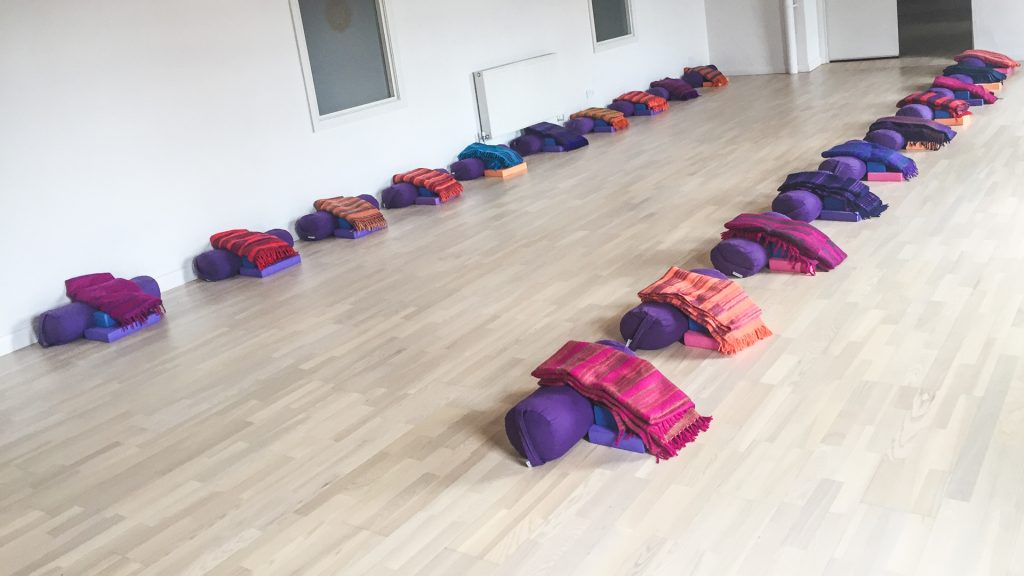
In these strange times of imposed isolation, an accessible yoga practice can help ground the body and calm the mind. The Restore classes at the Shala often encompass poses from several styles that range from the prop-heavy Restorative Yoga style to the traditionally prop-free Yin Yoga. Over the few weeks I have been teaching online, I have noticed that students often struggle to find the right props at the beginning of or during the class. Getting used to teaching and practicing at home requires a bit of experimentation and inventiveness. Here is a practical guide to make-shift yoga props so you can make the most of your restore/yin yoga classes from home.
In my teaching and practice over the years, I have gone from not using props to using lots and lots of props. I have found that the more you nurture and support the body, the more you can relax and shift your state of mind. I therefore recommend you have at least a few basic props while practicing online. In the first instance, you don’t need to purchase any fancy yoga equipment; all you need is to make sure you have a few things handy before class and then experiment to see what works for you and what doesn’t.
Blankets
In restorative poses, blankets are essential. However, blankets come in different shapes and sizes, from thin fleeces to wool picnic blankets. I recommend you find something thick; the thicker the better. I recommend a bedspread or two or wool picnic blankets. These can be folded in different ways and therefore are very versatile. Two is the minimum I would go for.
Bolster/ Bed Pillow
I am a fan of bolsters, but in case you don’t have one, you can use 2-3 bed pillows. Bed pillows are longer than cushions so they work to place under the knees or lower legs.
Cushions/Yoga Blocks
I recommend you have at least a sofa cushion or a yoga block around. Depending on the thickness, a cushion can support the head when lying down or can support the knees in poses like Butterfly.
Eye Cover and Socks
Both Yin and Restorative Yoga are styles that work on calming the nervous system down and cooling the body. As the body relaxes, your body temperature may drop and you may feel cold. It is therefore useful to have a blanket and socks to keep the body warm. Also, when lying on your back in a restorative pose, it is helpful to cover the eyes to induce a state of calm. Not everybody likes this, but you can try and see how it works for you. In the studio, we offer people eye bags to place over the eyes, but a simple towel, scarf or piece of clothing can be just as effective.
Belt or Tights
In some classes, I use yoga belts to tie the legs together or as a support for stretching. Yoga belts are simple belts that tie with a ring buckle. If you don’t have something like this around the house, a bathrobe belt or a long scarf or even a thicker pair of tights can be helpful.
Wall Space and/or Chair
In some classes, I use the wall to do make certain poses more accessible or to give the legs the opportunity to relax more. Sometimes, you end up in a room with no wall space. In this case, you can use a door, a wardrobe door or a bed as support.
Most yoga studios don’t have chairs around. When practicing at home, a chair can be a great prop especially in forward folds that may otherwise be inaccessible or not so restful. If we use a chair, I recommend one that has a square base (as opposed to a round one) and that you can slide your feet under (as opposed to a sofa or armchair).
If you wish to buy yoga equipment, I recommend Yogamatters who have been selling reliable basic props for a long time.
To recap, in my classes, I usually ask students to have:
- 2 bed pillows
- 2-3 blankets
- 1 cushion
- eye cover and socks
As a final note, I would strongly encourage you to find a place where you can do your yoga practice alone and undisturbed, a spot the feels cosy that you can keep using on a regular basis.
The Shala run online Restore/yin yoga classes 6 days a week.
By Raluca Musat

By Lesley Collinson
Reflecting on yoga and how it has become my life leads me back to when I was 10 years old; following a sequence from a series of 1960’s black and white photos from a landscaped yoga book. I would question the universe in plough, thinking about the possibilities of my future; one of which came true! I only remembered this memory when I again came into plough at the
I remember the first time in the Shala, stepping into this vibrant yet tranquil space, feeling warm and welcomed. In my second downward dog (a strange new sensation in the wrists and I could barely hold it) realising something special was happening and this yoga was more than just exercising the body. I remember the first time I felt yogic breath in Gingi’s class, feeling the air all the way through my body and the whole of the next day felt like I was literally walking on air. Gingi and Kath, in fact all the teachers at the Shala helped to light something deep within me.
Learning to move with the breath as a beginner was such a wonderful revelation which enabled me to go deeper into a moving meditation. It created a sense of timelessness; both ancient and modern, such a gift and antidote to the business of London life. As a yoga teacher, helping students to connect to the breath as they are moving is an important focus. The classes at the Shala taught me to breath properly, such a simple, ordinary and yet extraordinary action with amazing benefits. Building my skills up to give classes with a focus on breath awareness is how I like to teach, bringing a flow to the practice, which feeds into concentration and the meditation. Before long, I noticed this moving meditation on the mat reaching out into my life as my days became filled with positivity, appreciation and a deeper awareness. When I teach yoga I sincerely hope the students can feel the benefits of this beautiful practice off the mat.
Three years ago, it was a challenge to hold a posture for too long so I remember feeling grateful when I could come out of it and move on to the next. It felt like it didn’t take long to improve and become stronger and more flexible and this was so life affirming. Building up body awareness and learning to listen to it seems such a simple idea yet incredible to actually do. I loved the non-competitiveness, the move away from ego and allowing your body and spirit to communicate and come through, beautifully guided by the teachers. This attitude and approach to helping students is one I want to uphold as a teacher.
I remember hurting my back lifting heavy objects in an awkward space and wondering whether I should go into yoga? I’d only been practicing a few months. Being guided to listen to my body and using the breath; being gentle and aware, revealed how yoga can accelerate the healing. It took me two days to recover.
I remember the warmth and kindness in all the teachers voices and how it encouraged you to move even if you felt stiff and heavy. I was astounded by the clarity and energy in those voices for a whole hour. As a teacher, I know how skillfull you have to be to do this. How did they do it? Breathing and tuning into students is a skill I want to keep developing.
I loved learning about the body and how the teachers described how it was moving, finding out about anatomy, learning new terms and hearing words in Sanskrit, and philosophical gems. There’s no doubt that these experiences as a beginner are going to influence me as a teacher.
Becoming a Yoga teacher has been and is a beautiful process, one which has inspired and humbled me at the same time. It has deepened my relationship to Yoga, to life, to the world and people around me. It has been and will continue to be a journey of self-enquiry, one where courage is needed to look truthfully into your own humanity and spirituality and become aware of your own transformation. It is joyful and at times testing as you delve deeper into your own psyche. This deeper connection to Yoga, to the teachings; to the eight limbs will influence how I teach but it’s very important that as I grow as a teacher, I can create a space for students to explore yoga in their own way. It’s not just about producing a sequence comprised of yoga postures, it’s about sharing something deeper; the mysteries and joys of life; creating breathing space; space for each person to explore, connect and grow holistically. For some, it could be a spiritual quest, for others an introduction to meditation, for others a safe space for self-enquiry or healing or a time to simply relax and enjoy being present on their mat. If I can create an inclusive space no matter where I am, welcoming people from all walks of life and from all starting points then I will be fulfilling my role. Yoga has many layers to its vastness, and I hope as a teacher I can build up my skills to help many others access those layers and in turn, I will continue to learn from both teachers and students in this reciprocal life-long process. I deeply appreciate the foundations the teacher training has provided me with on this pathway.
Becoming a yoga teacher in 2019 is an incredible time, the dawn of the third millennia, the age of technology, wireless internet and instant communication around the world. In many ways we are more connected as a human race than ever before and as such Yoga has an important role to play in enabling us to connect more compassionately and honestly and be a force for good. Yoga is ‘live’ and as a profession is transforming itself. It’s become a big business with many chains, new systems, and research being introduced. It will be interesting to see the effect of the Yoga Alliance’s Standards Review Project. As a primary school teacher, I’m used to looking at the wider picture and with the assignments, we have been given the opportunity to consider the wider picture in the yoga community. This is helpful in refining your own point of view, deciding which values are important to you and how you will uphold them.
I aim to be a flexible, agile and an inclusive teacher who is open to the possibilities of the journey and at the same time being proactive on my pathway and remaining wise and discerning about how I teach. Who knows where the journey will lead me; teaching is a privilege and I look forward to the journey.
The assignment on the Yama’s and Niyamas gave me the opportunity to reflect on how they interweave in and relate to modern life and how they bring an integrity and depth to both practice and teaching. Reflection serves to strengthen the personal qualities of anyone who would like to share the art, science and discipline of yoga. Those qualities include loving kindness, empathy, patience, compassion, honesty, open-mindedness, open-heartedness, courage, stamina, consistency, self-confidence, generous spirit, supportiveness, enthusiasm, reliability, humour, joyfulness, humility, calmness, stillness and selflessness. This seems like a tall order yet when we tune in with ourselves and the world, we naturally have these attributes, but sometimes when we are under pressure or tired or not in our ‘sattvic’ state, some of them can run low or I must admit ‘run out’. Practice can replenish them as well as a good night’s sleep! Being aware of your own state when teaching yoga and having the ability to rise above a mood or event if necessary, to be there for the class is an essential skill, which I hope I can master. I also have to thank the course with helping me with certain qualities that I needed to develop such as self-confidence, self-compassion and honesty with myself. It’s almost unbelievable how much my self-confidence has grown. I used to say to myself – act confident then I would become it. Now I feel much more authentically myself especially when confidence is required.
Gingi’s and Kath’s dedication and devotion to Yoga has a priceless quality that we have all benefitted from. This commitment is truly inspiring as well as the skill and freshness they bring to each class they teach. I love how their expertise is matched by an openness to learn more and how joyfully they share their knowledge. It’s been brilliant to learn from them, I remember how as a beginner, I first learnt to move with the breath in Gingi’s class and the power of adjustments. I have loved learning how to adjust and feel grateful every time I give an adjustment that a student feels better from. I’m only beginning on this journey but am very thankful for the start I’ve been given.
I love how Kath has shared her knowledge of alignment and pranayama. This has been a beautiful introduction to the fourth limb and has taken me deeper into my own personal practice. The pranayama as well tunes me into the space I need to be in before teaching a class so good energy is present. Alignment has been fascinating. I have appreciated the precise detail that has been given on this course and it has deepened my understanding of anatomy on a practical level. In my own classes, I will teach from what I know and what I know worked for me as a beginner.
As I have already written, I was so grateful to be able to meditate and move at the same time. It really makes sense to me, especially for someone who sits at a desk too much. As a teacher, I remember being blown away by the delivery of the classes by the teachers at the Shala. The modifications offered, the guidance to use breath, knowledge of anatomy and little gems of philosophy, history and Sanskrit. All came together to make a beautiful experience. I love moving with the breath and dropping into meditation, my body, mind and spirit flowing. This is what I would love to pass on as a teacher. I remember focusing on the meditation and starting to learn about my body, being shocked at what it could do and what it can do now and yet working very slowly and methodically without expectation or ego. It is such a beautiful gift to pass onto someone and to support someone’s journey is a privilege. I’ve had a humble start with teaching the teachers at school – starting with one student but I’m loving teaching her and the classes are starting to grow and I learn from each one and the sense of satisfaction is incredible. How long will I teach for? I hope every 10 years I can look at this writing and say, Yes I keep it fresh!

Aged 12, Gingi Lee begins his study of the Martial Arts with his Father’s original Master, Sensei Richard Kim in San Francisco. There are no children’s classes, so Gingi practices with the adults. He follows Sensei Kim in his Tai Chi forms with not a word spoken for what seemed like hours. Aged 18, Gingi moves from California to Paris to apprentice in martial arts with his father Sensei Richard Lee (Hanshi) and he spends much of his training outdoors in the Bois de Bologne (above), come rain or shine.
